

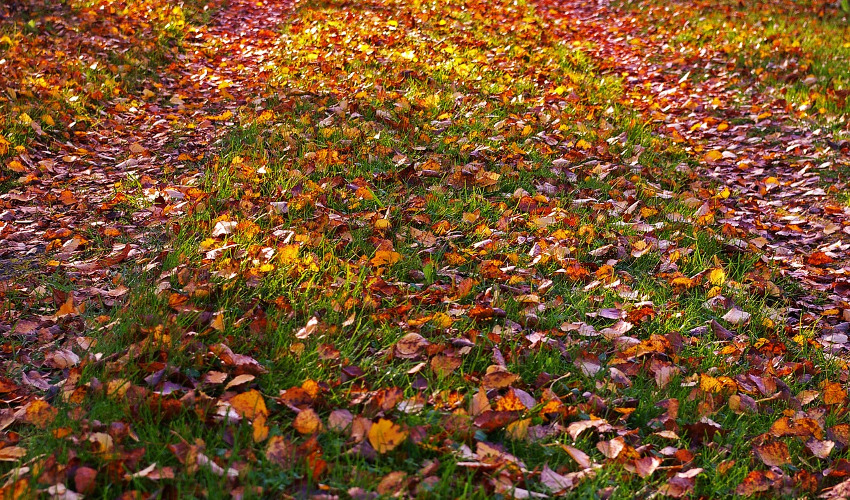
After a long summer of mowing, watering, and fertilizing, your lawn may look healthy, but fall is a crucial season for maintaining strong, resilient grass. Proper care now ensures your lawn survives the winter and comes back lush in the spring. Here are key fall lawn care tips to keep your grass in top shape.
Mow with Care
Raise your mower deck slightly for fall mowing. If you kept your grass short during summer, increase the height by about ½ inch so your grass stands around 3½ inches tall. This helps prevent stress on the lawn, reduces weeds, and leaves clippings that naturally fertilize the soil. Mowing regularly while keeping the height optimal ensures strong, healthy grass that can handle winter’s cold.
Mulch Leaves Instead of Raking
Don’t fret about fallen leaves—run them over with your mower to chop them into tiny pieces. These mulched leaves provide nutrients that enrich the soil, reduce waste, and save you time. Avoid letting large piles of leaves sit, as this can smother your grass.
Dethatch and Aerate
Even with mulched leaves, your soil needs to be able to absorb nutrients. If the lawn feels compacted or dense, use a dethatcher or aerator to loosen the soil. This allows water, air, and nutrients to penetrate deep to the roots. Aerators and dethatchers are available for rent at your local rental store, making the task simple and efficient.
Fertilize and Overseed
Fall is an ideal time to fertilize with a slow-release, nitrogen-rich fertilizer. This strengthens roots and stores energy for the winter. If your lawn has thin or bare patches, overseed to promote thick, even growth. Light watering after fertilizing or seeding helps the grass absorb nutrients and germinate successfully.
Keep Equipment Ready
Before the first frost, check your mower, trimmers, and aerators. Clean blades, change oil, and store equipment properly for the winter. Well-maintained tools make spring lawn care much easier and prevent unnecessary wear or damage.
Final Touches
Consider adding a thin layer of mulch to flower beds or around shrubs to protect roots from freezing temperatures. Remove any debris, fallen branches, or toys from the lawn. A clean and maintained lawn going into winter reduces disease risk and sets you up for a healthy spring lawn.
📍 999 College Drive, Durango, CO 81301 |
🕒 Mon–Sat: 7am–6pm | Sun: Closed |
📞 (970) 247-2930
Ted’s — Your Partner in Every Project.
Related Posts