

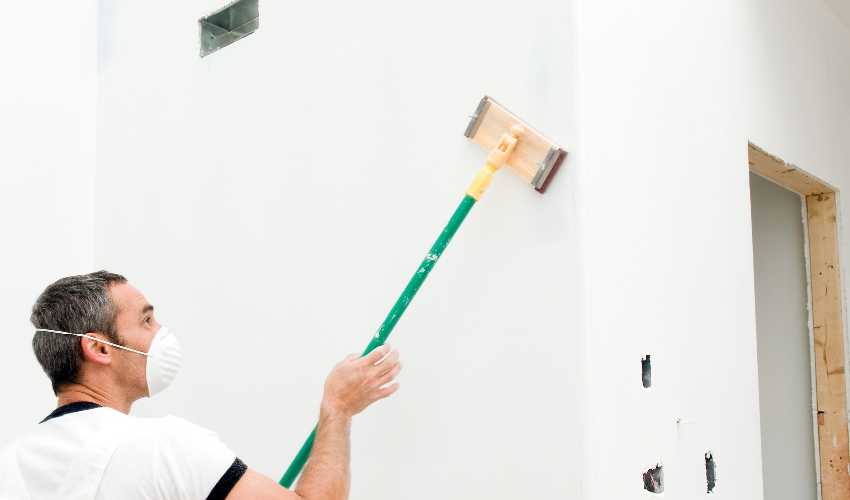
Sheetrock, also called drywall, is surprisingly easy to repair. With a few tools and materials, most homeowners can fix small damage, leaving the wall looking as good as new. The best time to repair is before painting a room. Inspect your walls first, so you can make repairs prior to painting.
Damage can occur in many ways. A corner of furniture may bump the wall, or a door may swing open too forcefully. Understanding common types of damage and proper repair techniques will make your walls look flawless again.
“Repairing sheetrock before painting ensures a smooth, professional-looking finish and prevents small blemishes from showing through.”
Tools and Materials You’ll Need:
Here are the essentials for repairing damaged drywall:
Joint compound: Usually pre-mixed, available in containers from 1 pint to 5 gallons. Perfect for filling holes and smoothing over damaged areas.
Drywall knife or taping knife: Needed to spread joint compound evenly over repairs. Available in various sizes for patching small holes or larger areas.
Sandpaper or sanding block: Smooths the surface after the compound dries to create an even finish ready for paint.
Drywall patches or mesh tape: For holes larger than a small nail hole. Mesh tape reinforces the joint compound and prevents cracks.
“Using the right tools, including drywall knives, joint compound, and patches, makes repairing sheetrock simple and long-lasting.”
Optional items include corner tools for outside corners, paintbrushes or rollers for finishing, and protective gloves. If you don’t own these tools, consider renting them from your local rental center to get the right equipment without the cost of purchasing.
With proper tools, careful application of joint compound, and light sanding, your repaired walls will blend seamlessly with the rest of the room. Always prep your surface well and take your time for the best results.
📍 999 College Drive, Durango, CO 81301 |
🕒 Mon–Sat: 7am–6pm | Sun: Closed |
📞 (970) 247-2930
Ted’s — Your Partner in Every Project.
Related Posts